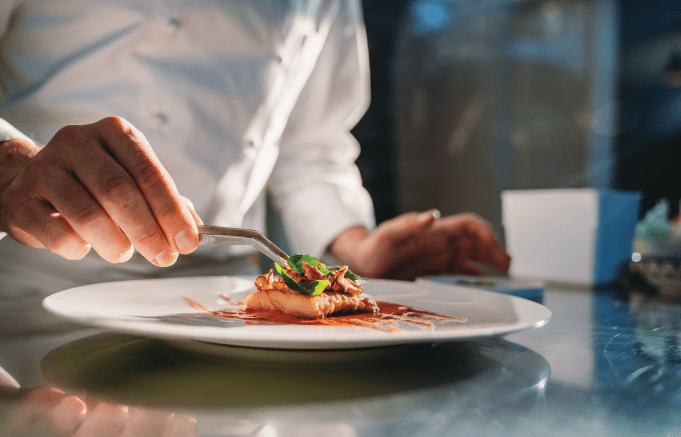
Many people search endlessly for the perfect recipe, believing that the right set of instructions will guarantee great results. In reality, the best outcomes in the kitchen rarely come from strict imitation. They come from understanding how a recipe can adapt to different spaces, tools, and levels of experience.
Every kitchen is different. Oven temperatures vary, ingredients behave differently depending on freshness and quality, and even climate can influence results. A recipe that works flawlessly in one home may need adjustment in another. Recognizing this early helps cooks move from frustration to confidence.
Skill level also plays a role. A dish written for experienced cooks often assumes instinct and timing that beginners are still developing. On the other hand, overly simplified recipes can feel limiting once basic techniques are understood. The strongest recipes are flexible enough to meet cooks where they are.
This is especially true when it comes to dishes people feel passionate about. Searches for best homemade pizza recipes are a good example. What makes a pizza great for one person might not suit another at all. Some prefer a thin, crisp base. Others want something softer and more substantial. The idea of one perfect recipe quickly falls apart when personal taste enters the equation.
Instead of chasing perfection, it is more useful to treat recipes as frameworks. They offer guidance on ratios, timing, and technique, but they leave room for interpretation. Once the core method is understood, small changes become less intimidating. Adjusting hydration, bake time, or ingredient balance becomes part of the process rather than a mistake.
Tools also shape how recipes perform. A home oven behaves differently from a professional setup. Cooking surfaces, available heat, and even cookware materials influence the final result. Good recipes acknowledge this and offer ranges rather than rigid rules.
Cultural and regional cooking traditions reinforce this flexibility. Classic dishes often exist in dozens of variations, each shaped by local ingredients and preferences. What matters is not which version is correct, but why each one works in its own context.
The most reliable way to improve results is repetition with awareness. Making the same dish multiple times while paying attention to small changes builds intuition. Over time, recipes become starting points rather than instructions to follow blindly.
Great cooking is not about finding the best recipe and stopping there. It is about learning how and when to adapt. Whether you are refining familiar dishes or experimenting with pizza at home, confidence grows when recipes are treated as guides, not rules.