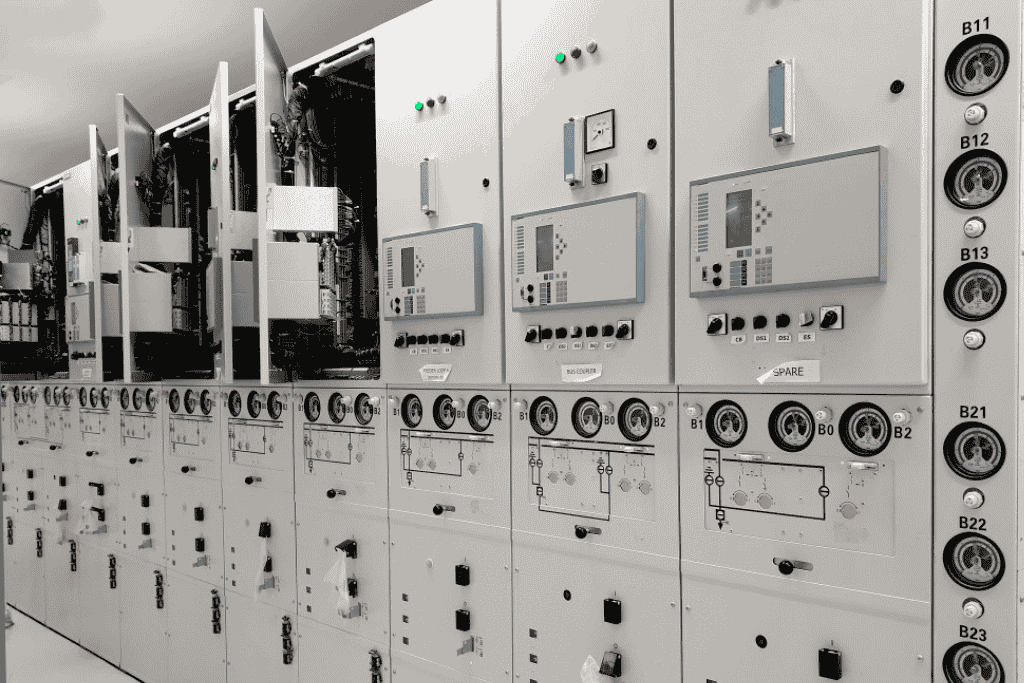
Electrical systems are the invisible framework that supports nearly every aspect of modern life, from lighting homes and powering appliances to enabling complex industrial operations and digital infrastructure. At the heart of this framework is the careful planning, installation, and maintenance of wiring, panels, outlets, and safety components that ensure power flows reliably and securely. A well-designed electrical setup is not only about convenience; it is about protecting people, property, and equipment from hazards such as overloads, short circuits, and electrical fires. As buildings become smarter and more energy-conscious, the role of qualified professionals grows even more critical, since outdated or poorly executed work can quickly become a liability rather than an asset.
In residential environments, electrical planning begins long before the first switch is installed. Load calculations, circuit design, and compliance with local codes determine how safely a home can handle present and future power demands. Commercial and industrial spaces take this complexity further by integrating backup systems, specialized machinery connections, and energy management solutions. Across all settings, attention to detail and adherence to standards form the backbone of reliable power delivery, ensuring that systems operate smoothly under daily use while remaining flexible enough to adapt to new technologies and changing requirements.
Professional Expertise Behind Reliable Installations
The difference between a functional electrical system and an exceptional one lies in professional expertise. Trained electricians bring not only technical knowledge but also practical experience gained from working across diverse environments and challenges. They understand how materials behave over time, how loads fluctuate, and how small design decisions can have long-term effects on safety and efficiency. This expertise is essential when integrating modern solutions such as smart panels, energy-efficient lighting, or renewable energy connections, all of which demand precise coordination and forward-thinking design. Electrical services play a central role by translating technical standards into real-world solutions that meet both regulatory requirements and user expectations without compromising performance.
Beyond installation, expert involvement ensures that systems are tested, documented, and optimized before they are put into full operation. Proper labeling, clear circuit mapping, and thorough inspections make future maintenance easier and safer. When upgrades or expansions are needed, a professionally executed system allows new components to be added without disruption or risk. This level of foresight reduces downtime, minimizes costly repairs, and provides peace of mind for property owners who rely on consistent power for daily living or business continuity.
Electrical systems are not static; they evolve as usage patterns change and equipment ages. Regular maintenance is therefore a critical component of long-term safety and performance. Routine inspections can identify worn wiring, loose connections, or overloaded circuits before they escalate into serious problems. Preventive care also helps maintain compliance with safety regulations, which are frequently updated to reflect new research and technologies. By addressing minor issues early, property owners can avoid unexpected outages, expensive emergency repairs, and potential safety incidents that disrupt operations or endanger occupants.
Safety-focused maintenance extends beyond physical components to include testing protective devices such as circuit breakers, surge protectors, and grounding systems. These elements are designed to respond instantly to abnormal conditions, but only if they are properly installed and maintained. As energy consumption increases with the addition of new devices, maintenance assessments help ensure that systems remain balanced and capable of handling demand. This proactive approach not only protects infrastructure but also supports energy efficiency by reducing losses caused by faulty or outdated components.
The rapid pace of technological advancement has transformed how electrical systems are designed and used. Smart homes, automation platforms, and energy monitoring tools now allow users to control and optimize power consumption with unprecedented precision. Integrating these technologies requires careful planning to ensure compatibility with existing infrastructure while maintaining safety and reliability. Modern electrical planning often includes provisions for future expansion, such as additional circuits or upgraded panels, so that new technologies can be adopted without extensive rewiring.
Energy efficiency has also become a defining priority, driven by environmental concerns and rising energy costs. High-efficiency lighting, advanced controls, and renewable energy integration all rely on precise electrical design and installation. By optimizing power distribution and reducing waste, these solutions lower operating costs and environmental impact simultaneously. The transition toward sustainable energy sources, such as solar or battery storage, further highlights the importance of adaptable electrical frameworks that can manage variable inputs while maintaining consistent output for everyday use.
Selecting the right professionals for electrical work is an investment in long-term reliability, safety, and value. Experience, certifications, and a strong understanding of current codes are essential qualities that distinguish trustworthy providers. Clear communication and transparent planning ensure that expectations are aligned from the outset, reducing the likelihood of misunderstandings or unexpected costs. A reliable partner not only completes the immediate task but also offers guidance on future upgrades, maintenance schedules, and energy-saving opportunities that extend the life of the system.