How to choose the right base (with seasons, travel times, and who each area suits)
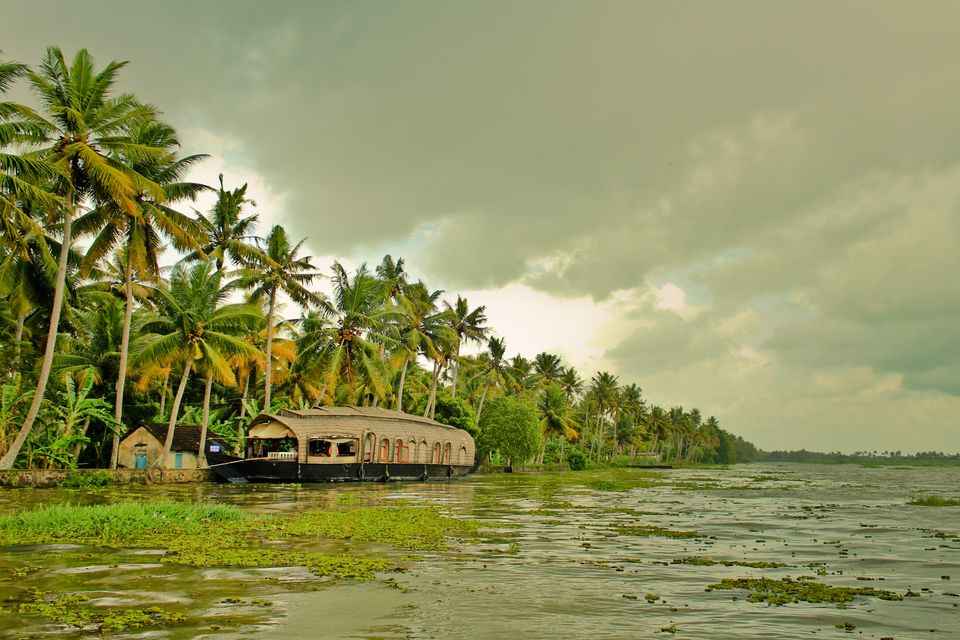
Kerala looks simple on a map. A slim strip of green between the Arabian Sea and the Western Ghats. In real life, it’s a collection of very different trips wearing the same name. A backwater stay can feel slow and cocooned. A hill station can be damp, piney, and surprisingly chilly at night. The coast can be surfy and casual in one town, then resorty and polished twenty minutes down the road.
If you’re browsing tickets to India and Kerala is on the shortlist, the single best decision you can make is choosing your base properly. Not “Kerala” in general. A specific patch of it that matches how you actually travel, and how much moving around you can tolerate.
This is a comparison post, not a dreamy list. It’s here to help you pick the right area for couples, families, and solo travellers, with realistic travel times and a clear view of seasons.
First: decide what “a good base” means for you
Before you pick beaches vs hills vs backwaters, answer three questions:
- How often do you want to pack up?
Some people love one base and day trips. Others want two or three stops. Kerala works either way, but it changes the choice. - Are you here for atmosphere or activities?
If you want cafés, culture, and places to wander at night, you need a town base. If you want quiet and nature, you want somewhere smaller, but you’ll rely more on drivers and hotel transport. - What’s your heat tolerance?
Kerala can be humid. Hill stations help. Monsoon changes everything.
A quick cheat sheet: best bases by trip style
Couples
Fort Kochi for charm and evenings
Varkala for laid-back beach days
Munnar for cooler air and tea-country views
Kumarakom for a backwater stay that feels calm, not chaotic
Families
Kochi (main city side) for logistics and short transfers
Kumarakom for comfortable backwaters without long travel days
Thekkady if you want wildlife + structured activities
Kovalam for easy beach time with more “resort” options
Solo travellers
Fort Kochi for walkability and meeting people
Varkala for sociable beach energy (without party chaos)
Wayanad for nature and homestays if you’re confident with slower travel
Kochi + a short add-on (backwaters or hills) if you want the simplest plan
Travel times that actually matter
Most Kerala trips revolve around a few transfer corridors. Times vary with traffic and season, but these are good planning numbers.
- Kochi to Alleppey (Alappuzha): around 1.5–2 hours
- Kochi to Kumarakom: around 1.5–2.5 hours (depending on route)
- Kochi to Munnar: around 4–5 hours
- Kochi to Thekkady (Periyar): around 4–5 hours
- Kochi to Varkala: around 3–4 hours (train can be efficient)
- Kochi to Kovalam / Thiruvananthapuram: around 5–6+ hours (train often best)
Rule of thumb: if you’re doing backwaters + hills + beach, you’re signing up for at least two longer travel days. It’s fine. Just plan for it and don’t pretend it’s “quick”.
Seasons: when each Kerala “mode” works best
December to February
This is the most comfortable weather for most travellers. It’s also the busiest. Beaches are at their best. Fort Kochi is lively. Hills are clear and cool.
March to May
Hot and sticky along the coast. Hill stations become more appealing. If you travel well in heat and want fewer crowds, it can still be a good time, but expect afternoon fatigue.
June to September (monsoon)
Kerala turns intensely green and dramatic. It’s beautiful, but the experience changes. Backwaters can be moody and quiet. Hill roads can be slow. Beach swimming can be rougher. This is a great season for people who love rain and don’t mind plans shifting.
October to November
A strong shoulder window. Things freshen up after monsoon, but it’s not peak-crowded yet. Often a very good balance for couples and solo travellers.
The bases, honestly compared
1) Fort Kochi: the easiest “first base” in Kerala
Vibe: historic streets, galleries, cafés, slow evenings
Good for: couples, solo travellers, anyone who wants walkability
Not ideal for: families who want pool-and-beach simplicity, travellers who hate humid city air
Fort Kochi works because you can do Kerala without committing to long drives on day one. You can land, shower, wander, and feel like you’ve arrived somewhere. It’s also the best place to have a “nice dinner” that isn’t just hotel food.
Doable day trips from here:
Backwaters (Alleppey/Kumarakom as a long day, better as an overnight), or short city outings.
If you only pick one base in Kerala: Fort Kochi is often the one that causes the least stress.
2) Alleppey: backwaters with more noise and movement
Vibe: busy backwater gateway, boats, lots happening
Good for: couples doing one iconic overnight, budget travellers
Not ideal for: people who want a quiet, polished stay, families who want calm
Alleppey is famous for a reason, but it’s not automatically “peaceful”. The town itself is functional. The magic is the water, the early mornings, and that feeling of drifting past daily life.
If you’re doing a houseboat, Alleppey is the classic launch point. If you want a calmer base with similar scenery, Kumarakom often suits better.
3) Kumarakom: backwaters, slower and more comfortable
Vibe: calm lagoons, birds, relaxed resorts and homestays
Good for: families, couples, travellers who want stillness
Not ideal for: solo travellers who want lots of social buzz
Kumarakom is the backwater base for people who want to exhale. It’s less about ticking “houseboat” and more about waking up near water, doing a short canoe ride, and eating well without constant movement.
If you’re travelling with kids or older relatives, Kumarakom usually wins for ease.
4) Munnar: tea country and cool nights
Vibe: green slopes, mist, viewpoints, early starts
Good for: couples, families who enjoy nature, anyone escaping coastal heat
Not ideal for: travellers who hate winding drives, people expecting a quiet village
Munnar is not a secret. It’s popular, and some areas feel developed. But it still gives something the coast can’t: air that feels different. Cooler mornings. A reason to wear a light layer. If you’re travelling in hotter months, Munnar can rescue the trip.
Choose your accommodation location carefully. Staying slightly outside the busiest centre often improves the experience.
5) Wayanad: for slower travellers and nature-first plans
Vibe: forests, waterfalls, homestays, quieter roads
Good for: solo travellers who like calm, families who want space, repeat visitors
Not ideal for: short trips, people who want quick transfers
Wayanad can feel like a different Kerala. Less “iconic postcard”, more everyday green. It suits people who don’t need constant highlights and are happy with mornings that begin with birds and end with early dinners.
The trade-off is travel time. It’s not the most convenient add-on if your trip is only a week.
6) Thekkady (Periyar): structured nature and easy activities
Vibe: organised wildlife area, spice gardens, boat trips
Good for: families, first-timers wanting a simple itinerary
Not ideal for: travellers expecting safari-style wildlife guarantees
Thekkady is good because it’s straightforward. You can book a few activities, do them safely, and not worry about “what now?” It’s also one of the better options if you want a nature stop that feels planned rather than improvised.
7) Varkala: beach town with personality
Vibe: cliff walks, sunsets, cafés, swimming spots
Good for: solo travellers, couples, low-key beach lovers
Not ideal for: families wanting resort-style ease, travellers who dislike beach-town informality
Varkala works because it’s easy to be there. You can walk to food, watch the sea, meet people naturally, and keep days simple. It feels more relaxed than some resort beaches, and more “alive” than a private strip of sand attached to a hotel.
8) Kovalam: classic resort beach base
Vibe: beach hotels, easier logistics, packaged comfort
Good for: families, travellers who want minimal decision-making
Not ideal for: people chasing local texture, solo travellers wanting social variety
Kovalam can be a good choice if you want the beach without thinking too hard. It’s not the most characterful base, but it can be practical, especially at the end of a trip when everyone is tired.
Putting it together: base combinations that make sense
If you have 5–7 days
Kochi + Kumarakom
Low travel stress, culture + water, great for families and couples.
Kochi + Munnar
City texture + hills. Works well in warmer months.
Kochi + Varkala
Best for solo travellers and couples who want evenings out and easy beach time.
If you have 8–12 days
Kochi + Backwaters + Munnar
The “classic” loop, but do backwaters as Kumarakom if you want calm.
Kochi + Munnar + Varkala
A strong trio with distinct moods and a good balance of movement and rest.
The most useful advice: don’t base yourself where you’ll feel trapped
Kerala is brilliant when your base matches your energy.
If you like wandering and casual evenings, choose Fort Kochi or Varkala.
If you want quiet and comfort, choose Kumarakom.
If you’re wilting in the heat, go to Munnar.
If you want a simple family schedule, choose Kochi + one easy add-on.
Pick the base that makes you feel like you’re on holiday on day one, not day four. That’s when Kerala stops being a highlight reel and starts feeling like a place you’re genuinely in.
Stay in touch to get more updates & news on Theranest!