When we hear headlines like Delta Flight DL275 diverted LAX, it instantly grabs attention. Any mention of an aircraft diverting due to an engine issue naturally raises questions, concern, and curiosity. What exactly happened onboard? How did the crew respond? What did passengers experience? And most importantly, what does this incident tell us about modern aviation safety?
We break down the Delta Flight DL275 diversion in a clear, human, and easy-to-follow way. We explore the timeline of events, the passenger impact, and the bigger safety lessons that come from situations like this. No panic, no exaggeration, just a grounded look at how aviation handles the unexpected and why diversions are often a sign of systems working exactly as they should.
Quick Overview of Delta Flight DL275 Diverted to LAX
Delta Flight DL275 was operating a long-haul international route when the crew detected an engine-related issue mid-flight. As a precaution, the pilots made the decision to divert the aircraft to Los Angeles International Airport (LAX). The landing was completed safely, emergency procedures were followed, and passengers were taken care of on the ground.
No injuries were reported, and the aircraft was met by emergency services as a standard safety measure. While the word “engine issue” can sound alarming, situations like this are not uncommon in aviation and are handled through strict protocols and training.
Understanding What an Engine Issue Really Means
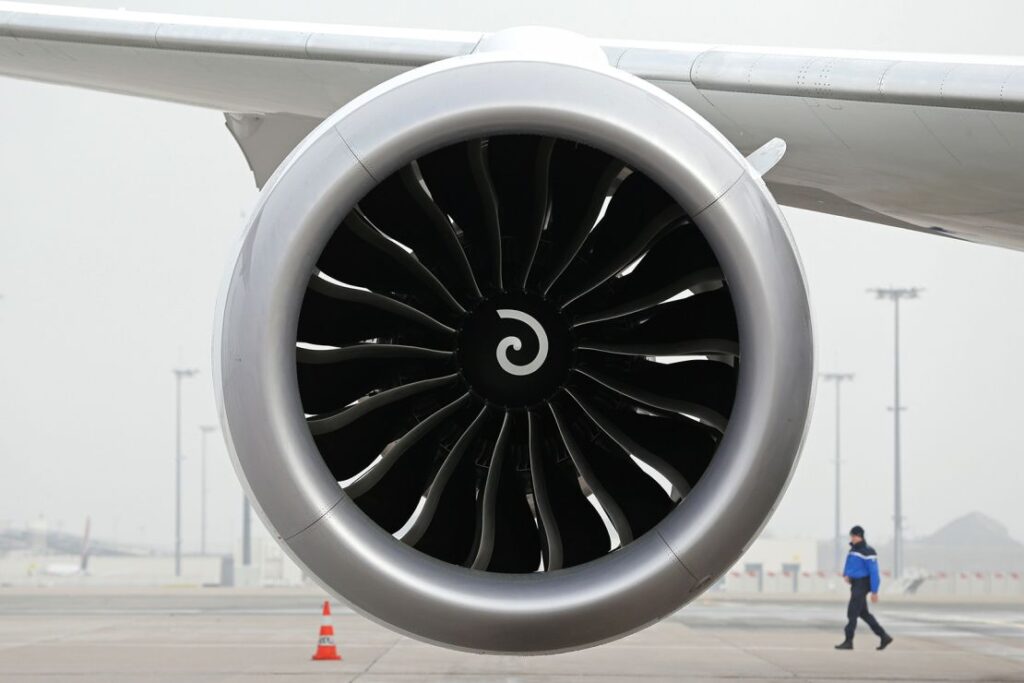
Before diving into the timeline, it helps to understand what airlines mean when they say “engine issue.” This phrase can cover a wide range of scenarios. It does not automatically mean engine failure or fire. Often, it refers to abnormal sensor readings, vibration alerts, temperature changes, oil pressure warnings, or system inconsistencies.
Modern jet engines are loaded with sensors that constantly monitor performance. If anything falls outside safe parameters, pilots are alerted immediately. In many cases, the engine may still be operating, but the safest decision is to divert rather than continue a long journey.In the case of Delta Flight DL275 diverted LAX, the decision reflects caution, not crisis.
The Moment the Issue Was Detected
Midway through the flight, flight deck instruments indicated an irregularity related to one of the engines. These alerts are designed to give pilots early warnings long before a situation becomes serious. Once the indication appeared, the crew followed standard operating procedures, cross-checking data and consulting checklists.
At this stage, passengers often remain unaware. The cabin experience usually feels completely normal. Flights don’t suddenly shake or drop; instead, the aircraft continues flying smoothly while the pilots assess the situation.This quiet professionalism is a key part of aviation safety and something most passengers never see.
Crew Decision-Making in Real Time
One of the most important moments in any in-flight irregularity is the captain’s decision-making process. Pilots are trained extensively for these scenarios in simulators that recreate every possible failure.
In this case, the crew evaluated several factors: engine readings, fuel status, weather, distance to suitable airports, and overall aircraft performance. LAX stood out as the best option due to its long runways, extensive maintenance facilities, and emergency response readiness.Choosing to divert is never taken lightly. It can disrupt hundreds of travel plans, cost airlines significant money, and create logistical challenges. But safety always comes first.
Informing Air Traffic Control and Preparing the Cabin
Once the decision to divert was made, air traffic control was notified. This allowed controllers to clear airspace, prepare runway access, and alert emergency services as a precaution.
Inside the cabin, the flight crew informed passengers that the aircraft would be diverting to Los Angeles due to a technical issue. These announcements are usually calm, brief, and intentionally reassuring. The goal is to keep passengers informed without creating unnecessary alarm.Cabin crew then began standard preparation procedures, securing the cabin and ensuring everyone followed instructions.
The Approach and Landing at LAX
As Delta Flight DL275 approached Los Angeles, emergency vehicles were positioned along the runway. This is standard protocol whenever an aircraft reports a mechanical issue, especially involving engines.
The landing itself was smooth and controlled. Many passengers later describe these landings as completely normal, sometimes even surprising given the buildup in their minds.Once the aircraft safely stopped, it was guided to a designated area where emergency teams could visually inspect the plane.
What Passengers Experienced on the Ground
After landing, passengers remained onboard for a short period while officials completed checks. This waiting phase can be frustrating, but it’s part of ensuring everyone’s safety.Eventually, passengers were allowed to deplane. Delta staff coordinated accommodations, rebooking, meals, and updates depending on the next steps. Some passengers continued their journey on alternate flights, while others stayed overnight.
Disruptions like this can be exhausting, especially for long-haul travelers, families, and those with tight connections. Still, most passengers recognize that inconvenience is a small price to pay for safety.
The Emotional Side of an In-Flight Diversion
Even when handled smoothly, events like Delta Flight DL275 diverted LAX can be emotionally intense. Fear of flying can resurface, especially when the word “engine” is involved.It’s important to acknowledge that anxiety is normal. However, it’s also important to understand that pilots train for these exact scenarios repeatedly. They don’t improvise. They follow checklists refined over decades of aviation experience.
Many passengers later report feeling reassured by the calm demeanor of the crew and the professionalism of the response.
Why Engine Diversions Are Part of Normal Aviation
Contrary to popular belief, engine-related diversions don’t mean planes are unsafe. In fact, they show how conservative aviation safety standards are.Modern aircraft are designed to fly safely even with one engine shut down. Regulations require that planes prove this capability before being certified. Pilots also practice single-engine operations regularly in simulators.Diverting early, while the situation is still manageable, is the safest choice. Aviation doesn’t wait for things to get worse.
Aircraft Maintenance After the Diversion
Once passengers were off the plane, maintenance teams began a thorough inspection. Engineers reviewed engine data, sensor logs, and physical components. This process can take hours or even days depending on the findings.
No aircraft is returned to service until engineers are fully satisfied that the issue is resolved. Safety inspections are non-negotiable, regardless of schedules or costs.This behind-the-scenes work is one of the strongest pillars of aviation safety.
How Airlines Learn From Incidents Like DL275
Every diversion becomes a learning opportunity. Data from the flight is analyzed by engineers, safety teams, and sometimes manufacturers. Patterns are identified, procedures are reviewed, and improvements are made if needed.
This continuous feedback loop is why aviation keeps getting safer year after year. Incidents don’t get hidden; they get studied.The Delta Flight DL275 diverted LAX event contributes to this broader system of learning and prevention.
Media Headlines vs Reality
Headlines often sound dramatic, but they rarely reflect the full picture. Words like “emergency landing” or “engine problem” can make situations feel far more dangerous than they actually are.
In reality, most diversions are controlled, calm, and precautionary. There’s a big difference between a potential issue and an actual failure.Understanding this difference helps travelers feel more confident and informed.
What Passengers Can Take Away From This Incident
For those who flew on DL275 or read about it later, there are a few key takeaways.First, aviation safety works. Systems detect issues early, crews respond quickly, and planes land safely.
Second, diversions are not failures. They are successful outcomes of safety-first decision-making.Third, communication and transparency matter. Calm updates from crews and ground staff help reduce stress and confusion.
How to Stay Calm During an In-Flight Diversion
If you ever find yourself on a diverted flight, a few mindset shifts can help.Trust the crew. They train constantly for these scenarios.Listen to instructions and avoid jumping to conclusions based on limited information.Focus on facts, not fear. A diversion means you’re being protected, not endangered.And remember, every person onboard shares the same goal: getting home safely.
The Bigger Picture of Aviation Safety
Events like Delta Flight DL275 diverted LAX remind us that aviation is built on layers of protection. From engine sensors to pilot training to air traffic control coordination, safety isn’t based on one system but many working together.This layered approach is why commercial aviation remains one of the safest ways to travel.
Final Thoughts
The diversion of Delta Flight DL275 to LAX due to an engine issue wasn’t a disaster. It was a demonstration of aviation safety in action. From early detection to calm decision-making, from professional landings to thorough inspections, every step showed how seriously airlines take passenger safety.
While delays and disruptions are frustrating, they are part of a system designed to prevent far worse outcomes. When we look beyond the headline and understand the process, incidents like this become reassuring rather than frightening.